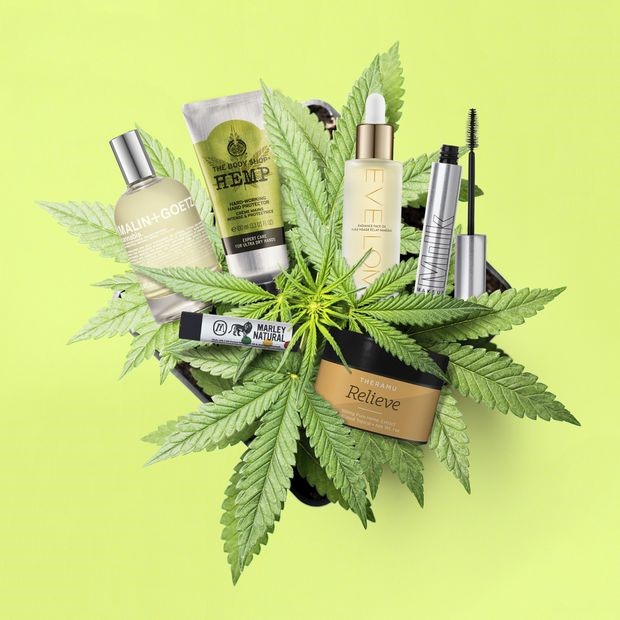
Label transparency has become a cornerstone of trust in the cannabis skincare market. As consumers grow more ingredient-conscious, they expect brands to disclose exactly what’s inside their products, how much of each active is used, and what claims are supported by evidence. For cannabis-infused skincare, this expectation carries even greater weight due to complex regulations and varying state and federal oversight.
In the United States, cosmetic labels are governed by the FDA under the Federal Food, Drug, and Cosmetic Act (FD&C Act) and the Fair Packaging and Labeling Act. Labels must clearly display the manufacturer or distributor, net contents, ingredient list, and any applicable warnings. This information must be accurate, not misleading, and easy to read before purchase.
When cannabis enters the formula, additional nuance applies. The FDA has not established a special category for CBD or THC cosmetics but does monitor brands for false or drug-like claims. Products cannot claim to “treat” or “cure” conditions such as eczema or acne. Instead, transparent cannabis skincare brands communicate within the approved cosmetic scope—using terms like “soothes” or “moisturizes”—and list accurate cannabinoid content and all active ingredients.
State regulations often add another layer of clarity. In California, for example, cannabis products must display cannabinoid content per serving and per package, with strict formatting standards. For consumers, this helps compare potencies and avoid misleading claims. A brand that shows total milligrams of cannabinoids alongside batch and testing information demonstrates a commitment to transparency.
Environmental and sustainability claims are another area where transparency is critical. Vague phrases like “eco-friendly” or “clean” may sound appealing but must be substantiated with evidence. A responsible cannabis skincare label supports such claims with clear data on recyclable materials, responsible sourcing, or ingredient purity. This builds consumer trust and aligns with the growing demand for sustainable beauty.
European regulations add consistency for international markets. Under the EU’s cosmetic laws, ingredients must be listed using standardized INCI (International Nomenclature of Cosmetic Ingredients) names. This allows consumers to identify plant extracts, cannabinoids, and supporting actives with precision, regardless of language barriers or marketing terminology.
For shoppers, understanding label transparency comes down to a few practical steps:
- Read the ingredient list carefully—earlier ingredients appear in higher concentration.
- Check cannabinoid content—look for clear measurements in milligrams per package or use.
- Confirm batch numbers and lab testing—a QR code linking to a Certificate of Analysis (COA) is ideal.
- Avoid products with disease-treatment claims—these fall outside cosmetic regulations.
- Verify sustainability claims—look for factual backing rather than vague buzzwords.
In essence, label transparency in cannabis skincare is more than a compliance requirement—it’s a reflection of product integrity. Transparent labeling empowers consumers to make informed choices, verify quality, and build confidence in the growing cannabis beauty category.
Read More: Shop Smart: Should You Buy Marijuana Beauty Products Online or In-Store?